Beyond the Riverbank's full website: www.beyondtheriverbank.com

Tuesday, 28 January 2014

Poland II : Wieliczka Salt Mines & Krakow Jewish Quarters


After last weeks rather sinister and foreboding post, this one will hopefully have a slightly happier feel to it as I put up the last few photos from the trip to Poland. Which included visits to their
salt mines and to the Jewish quarters, with a slice of Jewish cake in the cafe where Steven Spielberg often sat whilst writing for Schindler's List (a film added to my must-watch list!). A little less text for this one with a fair few photos, which will please my sister who usually has the pleasure of quickly proof-reading before I post.

As before, diary extracts are written in italics.

Wieliczka Salt Mines

I peer over the shoulders of the passengers to watch out of the front windows. Brand new apartments sit next to buildings half torn down and derelict, their insides spilling across the neighbouring land. Small, tatty sheds for homes sit amongst the bare woodland. A grey haze rests across the sun. 

The bus ride to the salt mines allowed us to see more of the suburbs of Krakow, and gave us another chance to try to navigate the local transport. We met a Brazilian woman travelling with her son. Her son was six, and she was travelling Europe with him, alone. I thought this was incredibly brave and inspiring of her.

Looking down through the 360+ steps to the bottom of the shaft

The salt mines were built in the 13th Century, where people carved into the solid walls of salt with hand tools, extracting it for table salt. The mines were a dangerous place, dark and damp, with build ups of gas that could kill.


Wheels of an old cart, used to push lumps of salt around the salt tunnels

The salt does not look like the classic table salt we season our food with until it comes into contact with moisture. From solid, grey rock into a white 'cauliflower' of salt crystals. I licked the walls, and tasted the stream of water that run through the mines. As I expected, being made up entirely of salt deposited by a sea over 13 million years ago, the walls and water tasted just like salt. And left me needing a good helping of fresh water. 

Cauliflower encrusted salt walls

The saline lake - 100% saturated salt water. For perspective; the Dead Sea has a salinity of ~34%

Incredibly, some of the old chambers have been transformed by workers and artists that have carved into the walls. Statues, scenery and animals have been shaped into the solid salt. The underground cathedral was stunning. Everything made of salt, even the crystals on the chandeliers. The place made me wonder why people go to such lengths to create places and artwork of such intricate and incredible beauty, on such grand scales. These people believed so strongly in their religions that they dedicated so much of their lives to producing such places of worship and inspiration.


The underground salt Cathedral

Salt chandeliers

The last cavern before we exited

The rusty old lift flew up through the mine shaft from about 160 metres to surface level. And to think this place goes to well over 360 metres below the surface, is a genuinely amazing feat of engineering. The mines are still active today, and form one of the oldest working mines in the world. 

 Jewish Quarters

Disappointed there were no apple pancakes for breakfast this morning. Had to make do with cereal, yoghurt, sausage, egg and biscuits instead. Last night was the first time it felt cold here, a feeling I had expected to feel more of. 

We walked along the river and into the Jewish Quarters. The river flows with a film of iridescence shimmering on its surface. We stop at a bakery and get a lump of traditional polish cake, no idea what it is called, and ate as we walked.

The Star of David


Ariel: The Jewish cafe where Spielberg went to whilst writing for Schindlers List
Once inside, the rooms are filled with old, old paintings

A man smokes in the square

Shadows of the railings on the cobbled streets

Bridge over the River Wisla 

We crossed over the bridge and headed towards Schindlers factory. The place where Oskar Schindler saved the lives of over 1,000 Jewish people. 

The entrance gate to the factory

"Whoever saves one life, saves the World entire" Telmund 4:12


It took me a while to understand the quote. Put into perspective by one of the survivors, whose children, grandchildren, nephews and nieces, and all of their children and family thereafter are all alive today because Oskar Schindler saved that one person from the Germans, where they would have almost certainly have been killed. They estimate that around one million people could be alive today thanks to the actions of Oskar Schindler.


People watching from a cafe in Krakow

 Before we left for home, we headed back into the market square one last time. We drank coffee. We ate dinner. We shopped on the market, and took in the vibes of this historic and charming city. Being here has been far more enjoyable than I had expected. I am not much of a city person, preferring the rolling hills, running rivers and crashing waves of the countryside. But for three days, Krakow has opened my eyes and taught me a thing or two about the past.

It has also reinforced my belief that town centres and cities are far prettier and far more romantic when it is wet and raining. Sometimes, to top it off, being dark helps too.

Horse drawn carriages through the Square

We sat down to eat in the traditional cafe, where the off duty street entertainers ate - a man dressed as silver painted wizard statue, and a man with shells and crabs glued to a big coat and hat. Mulled wine. A tram ride back to the hotel. Awaiting taxi to airport. Our journey home begins. 


Back to wildlife for the next blog... Thank ya'll for reading! Hope you have enjoyed.

Tuesday, 14 January 2014

Poland: Auschwitz and Krakow


I hope everyone has had a very merry Christmas, and is enjoying the New Year! Before Christmas, I spent some time filming with Tim, for my first full episode on Grey Seals which I should begin editing for very soon. An update on film progress can be found here: And so it begins...

Seal pup at sunset

I then went on a bit of a road trip to South Wales, where I joined Sam for a walk around Cardiff and had a mini adventure in search of waterfalls on the Brecon Beacons. A beautiful place for a walk in the pouring rain.

Waterfall hunting in the Beacons

I have just returned from a trip to Poland. A place where my Dad has long wanted to go. He decided to book it spontaneously asking if I wanted to join him. I knew Auschwitz would be on the agenda, a place where I had mixed feelings about wanting to visit or not, and I had no idea what Krakow would be like as a city. In this blog I thought I would try something a bit different and include a few extracts from the diary I keep on the adventures I go on. I have put them in italics to differentiate them from the main text. Let me know what you think! Part two will follow shortly.

View from the window

5.1.14; Krakow

And now we sit, in a busy coffee house, windows still decorated with snowflakes from Christmas. Waves of Polish conversation merge into a messy and unfamiliar sound. We overlook the market square. Horse drawn carriages line-up underneath the Basilica; majestic as it stands tall, high above the square. The cylindrical towered pinnacles of the roof are intricately designed and topped with spheres. A faint smog-like mist lingers, softening the detail of the furthest buildings.

St Mary's Basilica

My first impressions of Poland were filled with disappointment. The outskirts of the city on the drive in from the airport were highly industrialised. Large pipelines run alongside and over the top of the roads, rusted and scarred with graffiti. The taxi driver informed us of their purpose - to deliver hot water as central heating to the buildings around. 

Urban graffiti 

Giant square blocks of concrete buildings stand tall and alone. Spread sparsely across the barren and heavily littered grasslands. The ghostly shapes of corvids, rooks and solitary crows, epitomised the urban landscape, as they sifted through litter and squabbled over scraps. 


After a tram ride into the city centre, and some terribly embarrassing attempts to learn how to simply say 'thank you' in Polish, we walked up to Wawel Cathedral. We have pronounced it to at least five people, all of whom politely corrected us with a smile on their face. 'Dziekuje'. The Cathedral is surrounded by impressive castle-like walls that were reduced to ruin. Reparation work began in the early 20th Century, and now it is a cross-stitch of modern brickwork, old timber frames and large stone walls.

One of the towers outside of the Cathedral

The sheer size and majesty of the buildings took us aback slightly, as the buildings were unexpectedly stunning. I had never released just how much influence Christianity had on Poland. Krakow has beautiful churches on their cobbled streets, elegantly mixing the new and old buildings. The architecture and effort that went into these buildings is phenomenal. 

Inside Wawel Cathedral. An elderly woman rocked in one of the pews alone. Clutching a chain of beads and a cross in her clenched hands, muttering words of prayer to herself. Stunning stain glass windows, finely carved gold-leaf decor, marble tombs and a bronze statue of an ancient Cypriat. The statues hands, one outstretched, were smooth and bright as they have been worn by groping religious folk that touch the hands and feet for prayer. Getting into the religious spirit, we made a donation and lit a candle on the bench for our family. Sparing them all a thought. After doing so, a child clumsily knocked into the rack of candles, extinguishing a few of the flames and the prayers they stood for. An innocent act of prayer sabotage. 

Wawel Cathedral

Back on the streets we bought some bread from one of many stalls that the locals seem to thrive on. The bread was simply a large bagel. We then come across a stall selling what looked like pastry at first glance, but turned out to be decorative smoked/fried cheese. The flavour was nice and smokey, but the cheese a bit ropey and left our throats dry and furry, and in need of a good drink. 

The world passes him by

A homeless man, hunkered down on a bench .Wrapped up warm, he slowly fell asleep forwards, jolting awake before he would fall to the ground. A nun waited patiently in a queue for a kebab. As sunlight faded and darkness set in, the lights on the old market square reflected and glimmered on the surface of the wet cobbled pavings, casting long shadows and scattering colour throughout. 

Horse drawn carriage in the square

We tried some potatoe, beef and cabbage dumplings. Much nicer than the bread and cheese of earlier. The extreme popularity of Baltic amber was evident in the quaintly bustling market. Beautiful amber trinkets and jewellery. Shockingly, amongst the handcrafted goods, clothes and ornaments, fur hats and deerskin rugs were sold. The hats were made of red and 'silver' foxes. Their tails clipped to the skinned animals head and body that has been stitched and wrapped to fit onto peoples heads. 

Red fox hat

The market smelled wonderful. As cooked meats, fried vegetables, sweet roasted nuts and homemade dumplings and bread wafted into the cooling air. The market fell silent as a trumpet played from the top of the cathedral on the hour. The melody echoed as it cut out halfway through the tune, in honour of a famous 13th Century trumpeter. 

St Mary's Basilica

Buying dumplings on the market

We sit on the tram back out of the city. The wheels rattle like a box of screws. The sound of steel creaking fills the carriage, as the tram meanders through the streets. Every person we have met so far has been extremely helpful, going above and beyond to help direct, translate and guide us around this intriguing City. 


6.1.14 Auschwitz / Oswiecim

The coach currently runs alongside the wide river Wisla, opposite the Wawel Cathedral. Every lamppost is strapped with tattered paper adverts, rings of tape holding them tight. Not a corner of this city sits bare without litter. The left side of my face warmed by the bright winter sun shining through the coach window. 


Birkenau, the largest of the camps at Auschwitz, taken from the top of the tower

Jackdaws welcome visitors to the site


Against the wishes of every Polish man that saw us clutching our map on the way to the bus station, squinting in the morning light, we opted for the challenge to take public transport to Auschwitz over the guided tours on offer. The hour and a half journey by coach had begun, and it was not long before we got to see some of the countryside of Poland. Lots of woodland, hills scattered with the red, brown, blue slate and terracotta roofs of suburban houses. Farmhouses dotted the open farmland. Buildings here begging to be photographed. Chickens sat in the openings of crumbling brick walls, derelict station houses with broken glass windows, and exceptionally designed churches.

"The work will set you free"

I do not know where to start with the concentration and death camps. 1.1 million people died at Auschwitz, made up of several camps. To see and witness the places where the stories of torture, slavery and slaughter took place was incredible. The horrific stories were endless and overwhelming. The remains left are distressing to see, and yet it is still ridiculously difficult, I would say impossible, to imagine what they went through and how it must have felt. I do not feel like it was a life-altering experience. But, there were a few things that really stood out for me. There are lots of stories I could share, but I will only share the few that had the most impact on me. I would definitely recommend visiting, and taking your own thoughts and feelings from the experience.

Some of the electric barbed wire surrounding the camps

The sight of the room full of hair really wrenched at my stomach. The Germans used the hair from the shaven heads of the Jews to make jumpers and knitwear for general use. Their hair harvested from them like wool from sheep, before they went into the chambers to be gassed with cyclone pellets. Nearly two tonnes of hair was recovered when the site was reclaimed at the end of WWII. Real hair, from real people that were killed here. Other rooms are full of their belongings. Separated into piles to be reused and recycled. Piles of shoes. Piles of cases. Piles of spectacles. Piles of clothes. The Jews were told to remember where they put their stuff before they entered the showers where they were gassed. Further lulling them into believing they had arrived at a working camp. Sickening.

The reconstructed first gas chamber at Auschwitz I

They never saw any of their stuff ever again. Strong men were kept as slaves. Often, their first job after being separated from the rest of their family was to carry the dead bodies of the 2,000 just killed to be incinerated. This would often include their sons, daughters, wives, and parents. They would have had to burn their own family.

The 'scratch' marks in the wall of the gas chamber

Some of the corridors were full of pictures of the prisoners and people that were kept and killed at Auschwitz. On and on the photographs go. Portraits of the deceased. Their face, with their age, date of death, and livelihood. Teachers, labourers, plumbers, priests, doctors, farmers. All prisoners. All killed in the camp.

Prisoners' Portraits

The concrete holes for toilets, barely bigger than the size of my hand, were an opportunity for the extremely desperate and suffering. Prisoners at Birkenau weighed as little as 25kg. That is less than a third of my body weight. In an attempt to miss a days work as a slave and prisoner, they would try to climb down into the toilet, where hundreds would have excreted, and spend the day in there. Those found were shot.

Wooden watchtower at Birkenau

Chimney remains of buildings destroyed by Germans when they realised they lost the war, in an attempt to hide the evidence. 

Sunset over Birkenau
 At Birkenau. We walk under the main tower, following the rail line up to the camp and the selection zone. Chimneys still stand, brick red and crumbling, where the buildings were torn down and burned. They in themselves appear like a graveyard. The electrified barbed wire fences line the outskirts. Wooden towers stand where soldiers would have kept watch. It is a vast area of flat land. A place I cannot bare to imagine just how horrific it was to have been prisoner in. 


Part II in the next couple of days. Thank ya'll for reading...

Friday, 13 December 2013

The South West: Moors & Tors


Since my last post, Autumn has been and pretty much gone.

The cemetery 

I've had a spontaneous trip to Norfolk, where the sun set over the dunes at Holkham at low tide. The wind picked up waves of dried sand, and whipped them across the beach. It was the same trip that the wind and rain completely trashed the tent, bending the poles and pinning the outer sheets over the top of us as we attempted to sleep.

Holkham

And! An incredible treat, where a few of the team from Whipsnade Zoo got to meet four beautiful wolves at the Anglian Wolf Society.

Wolf!

Now, winter has slowly gripped the country. Bitter winds numb the bloodflow to the tips of the fingers. Occasional storms have battered the land. And a trip to Cornwall ensued.


Sam joined me as we spent a few days in Cornwall, exploring the moors and my favourite coastline on the planet. Not that I have seen much, or enough, of Earths coasts! Our first walk was to Rame Head. A rugged headland that juts out into the channel, with views of Plymouth and the Mewstone to the East, Whitsand Bay to the West and 180 degrees of what appears endless sea to the South.

Rame Head


Here, Dartmoor ponies grazed the moorland, as kestrels hovered along the cliff edges. Their heads motionless as their wings beat furiously and their rudder-like tail controlled them in the wind. After an unsuccessful dive, the kestrel perched on a nearby telegraph pole. A small, beautifully intricate bird of prey.

Pony


A small herd of fallow deer at the base of the cliffs froze. For a moment motionless, their ears pricked up, faces stared directly at us. The moment passed. White bums flashed as the deer skipped through the wind worn vegetation.
Fallows in the distance!

The next day we ventured out across Bodmin moor, an area packed with old mines, railways and ruins, topped off with stunning panoramic views from the tops of the granite exposed tors.

View from the top! A great place to eat lunch (and drop it all over the floor)

We climbed to the top of Kilmar Tor. After we had watched many hail storms pass in the distance, our fortune faded as the sinister grey clouds were swept above us. Hail showered to the ground, springing off of the bare rock faces and stinging the face.

Climbing a tor on Bodmin moor

We were not alone in enjoying this beautiful moorland, as mischievous cows, disguised as orcas, grazed their day away.

Orcows...

And of course, what is a trip to Devon and Cornwall without a walk along the raw and rugged wildlife rich coastline?

The sun sets over the Mewstone, Wembury
I apologise for the  severe delays in any form of blog. A new venture has begun, as I have decided to take on the challenge of making wildlife films. I have started a blog here: Riverbank Movies.

The plan is to create lots of mini-episodes featuring exciting wildlife that people can enjoy easily, or with not too much effort and little expense, and show them how to connect and enjoy with it. I would love to reach people that are not already wildlife savvy and aware, and inspire them to become so. Which will probably mean I will have to pester people with 'please share' messages. I apologise in advance. That is two apologies in as many paragraphs...

Anyway, I have been filming with the Shark Trust in Devon, in touch with Hunstanton Sealife Centre, and am already making some good contacts and have got enough material to fully complete a short episode about grey seals. So keep your eyes peeled! I am on facebook, twitter and youtube now as well! Any ideas, tips, advice - please feel free to share ! 


Thank ya'll for reading!! Much appreciated.

Tuesday, 12 November 2013

Scotland, Part II: Forest, Whiskey and a Salmon


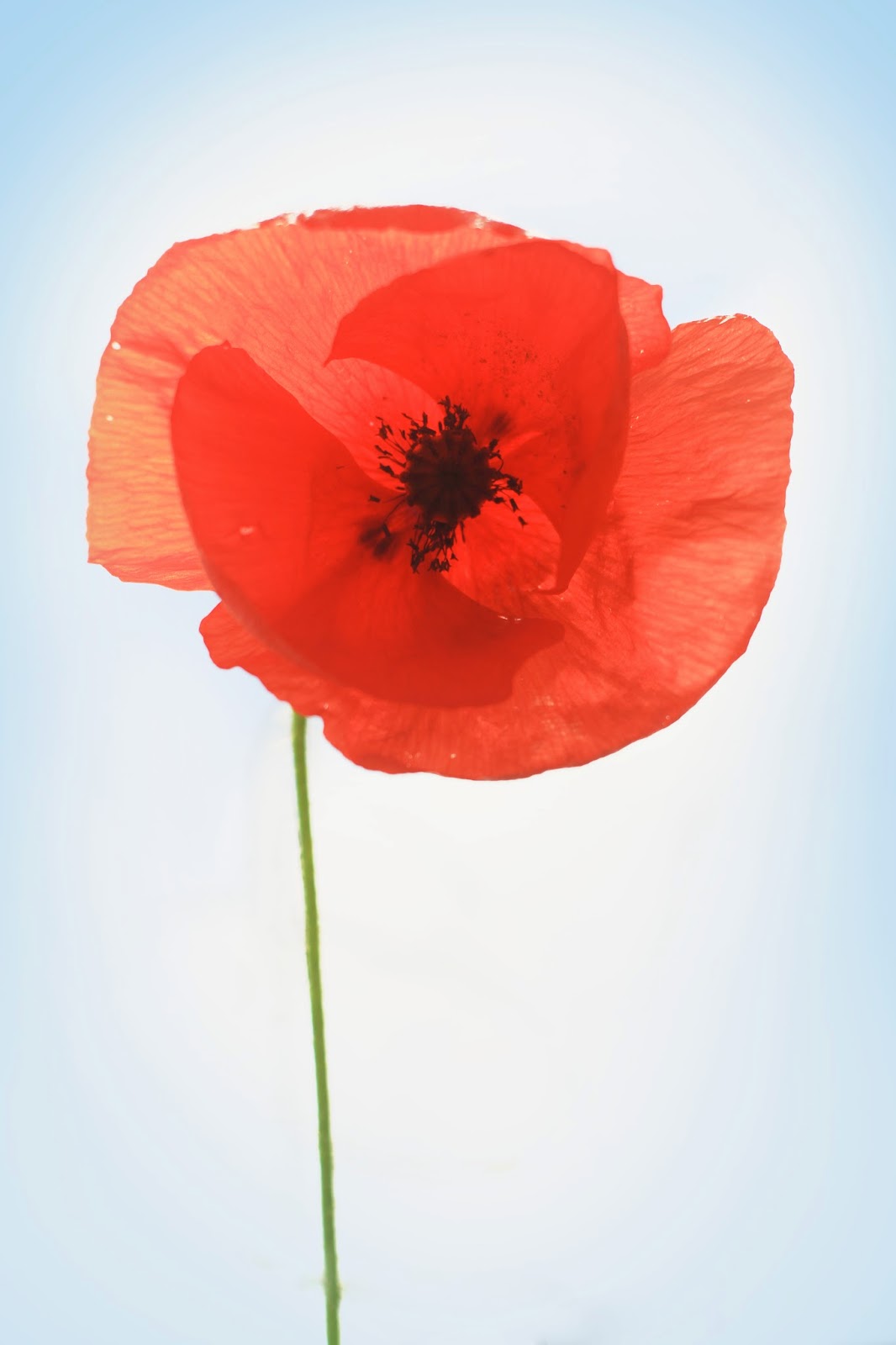
It has taken me a long while to get around to part two of this amazing trip. I am working on a few other projects at the moment, which means the blogs may be slightly less frequent. This blog begins with a photo of a poppy, in honour of Remembrance Sunday and Armistice Day.


Woodland and Edradour

The sound of birdsong woke me at around six in the morning. The melodic and flutey tones of the blackbird and the chirpy song of the robin, backed by the sweet sound of tits calling as they made their way through the branches. I opened my window to the damp and cool forest air and let it drift into my room. It was time for an early morning walk up the mountainside into the pine forest that surrounds our camp.

Boulder in the Forest

Droplets of drizzle precariously clung to the sharp, needle-like leaves of the pine trees. Fungi burst through the undergrowth and the rotting remains of wood, as they attempt to spread their spores across the forest. 


A floor of fungi

The forest felt peaceful. I caught a glimpse of two red deer hinds as they momentarily froze upon discovering Sky and myself clambering our way through the forest. They soon dashed off through the clearing far quicker than I could ever follow.

Back for an early lunch, before heading off to a distillery. In fact, potentially the worlds smallest legal whiskey distillery - Edradour. For an afternoon of learning and drinking. We are in Scotland after all...

Barrels of whiskey!

Prepare for some number-crunching statistics!

Amazingly, Edradour make in one year what Glenfiddich make in just three days. Despite this, Edradour still use 6,000 litres of water per day. If these stats are correct, and my math holds out, after a quick calculation, Glenfiddich would use around 730,000 litres of water a day. This is equivalent to 266,450,000 litres of water every year. I will repeat that; that is over two hundred and sixty six million litres of water. A year. For whiskey. That is enough water to make over 100,000 kg of rice a year. And that is just Glenfiddich. It really does make you wonder about the state of the world we live in. Of course, they did not elaborate on their use of water resources in quite so much detail on the tour.


Tummel Valley

We had a slow start to the next day. And planned to climb the nearest peak from our camp. We got ready and steadily made our way up through the mixed broadleaf woodland, fungi littering every corner of the damp forest floor.


Early autumnal woodland

We decided to go off the beaten track in an attempt to make it to the peak. In doing so, we were rewarded with incredible views of what felt like a prehistoric forest, and squelched through clearings glistening with soggy mosses, small oozing streams, rich green grasses tipped with golden brown blades and the pink and purple flowers of the heather. A fair few of what looked to be fox moth caterpillars, fed among the heather.

How I imagine the Jurassic period to have looked (maybe with less regiment to the trees)

Fox moth caterpillar (?)


Fungi even grew from the branches of trees. Incredible

 Sky at the highest point this side of the valley

 As a result of our venture into unexplored and unpaved lands, we were inundated with a small parasite - the tic. I first felt an itching sensation just under my belly button. And sure enough, upon inspection, a small black body sat with its head buried into my skin and its legs waving in the air. The dogs were riddled with them too. A couple of quick phone calls to good friends Dr. Ripley and Timmy P (thanks guys!), gave me the confidence to handle the situation. Funny enough, the tic decided to make its own way out of my stomach and started crawling around, so I removed it and carried on with the walk. As far as I am aware, that is the first time I have ever been parasitised.


Pitlochry

Before heading home, we visited Pitlochry. And we had our first red squirrel sighting of the entire trip, as the little rodent sat by the side of the road collecting food. Where the loch has been dammed, they have built a fish ladder, enabling the salmon to make their way up and around the dam. A brilliant idea and one I was intrigued by. Over 1,000 salmon had been through the ladder that year, and we were lucky enough to see one half way up the ladder in the  viewing window. Beautiful fish. 

River Tummel

Terrible salmon photo! 

Any river good for fish, is going to be good for fishing predators. A heron sat on the opposite side of the River Tummel, watching the river as it flowed past. 

Heron on the rocks

The journey home was a long one. In terms of wildlife, I did not manage to see any of the Scottish big five properly, but I had an incredible time, and got to enjoy a taste of this beautifully vast landscape. I will end the blog of the trip with my personal favourite photo. It is of Sky, half way up Ben Nevis. Looking down in the hope of spotting sheep...

Halfway up, looking down

I mentioned at the start of this post about some new projects I am working on.  I have decided to take a new direction into territory that I have no proper experience in whatsoever. All will be revealed soon for those that are interested! 

One final photo: A shy hedgehog feeding in the garden behind the old empty plant pots, as it attempts to fatten itself up for the hibernation ahead...


Hedgehog

Thank ya'll for taking time out of your lives to read the blog, or simply look at the photos. 

Until next time!